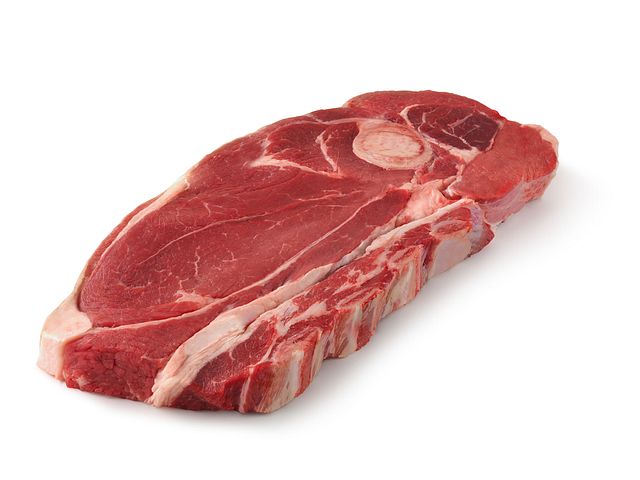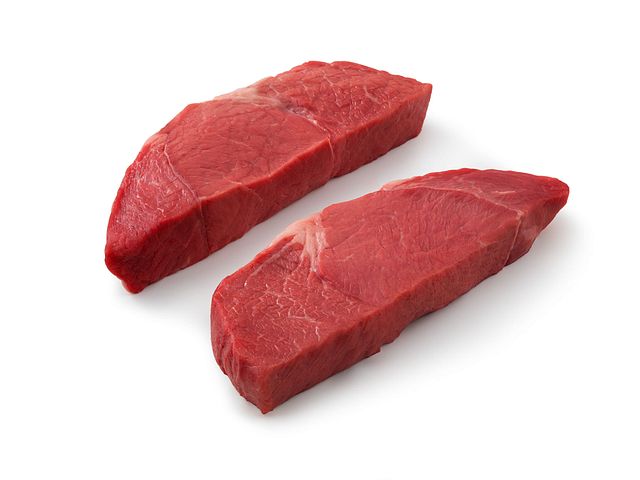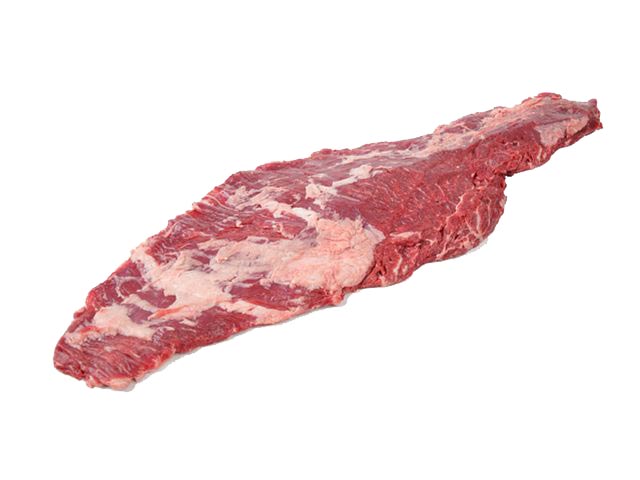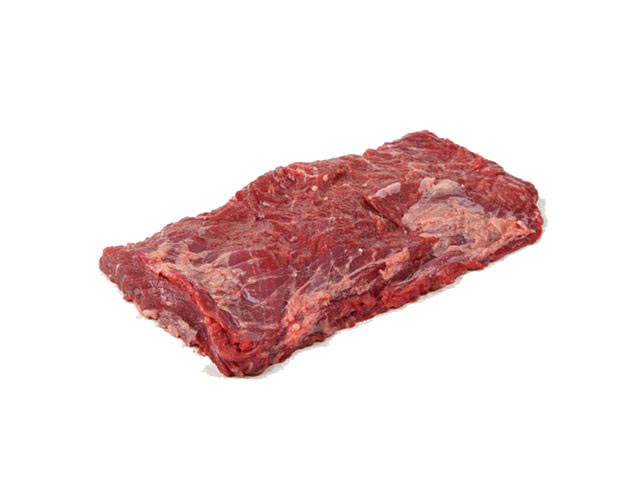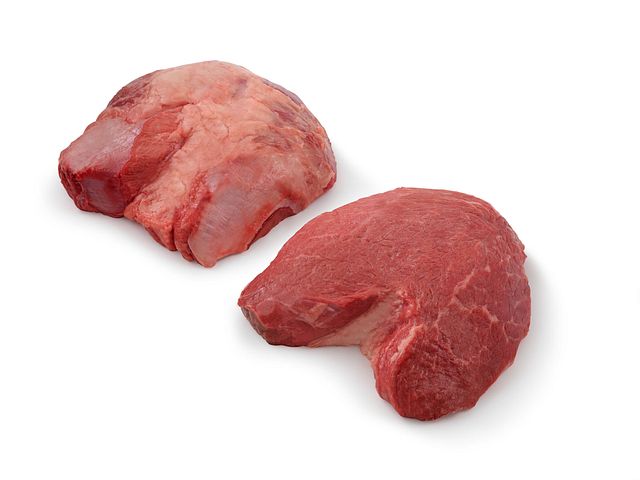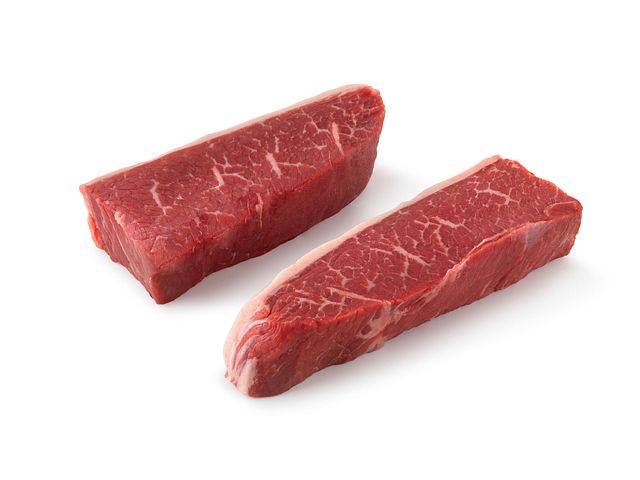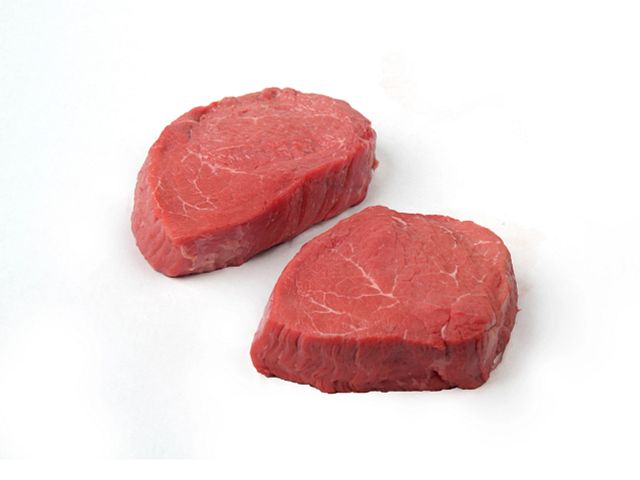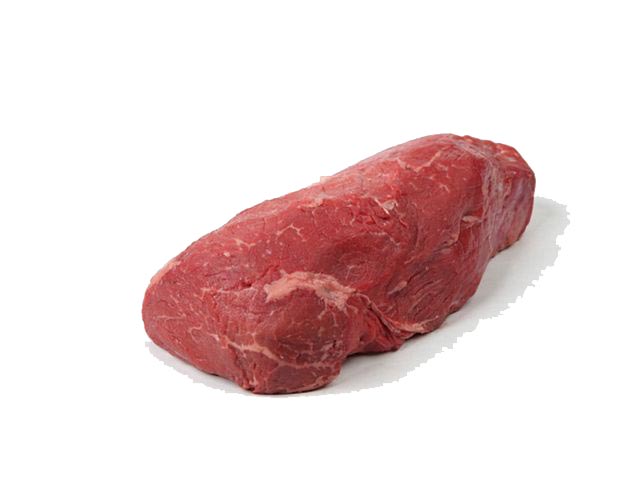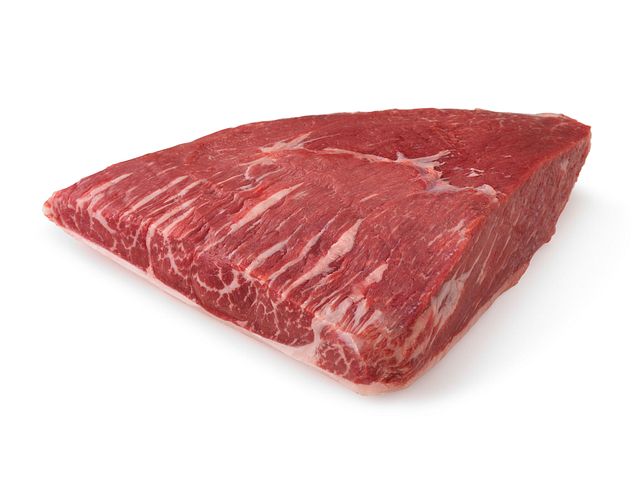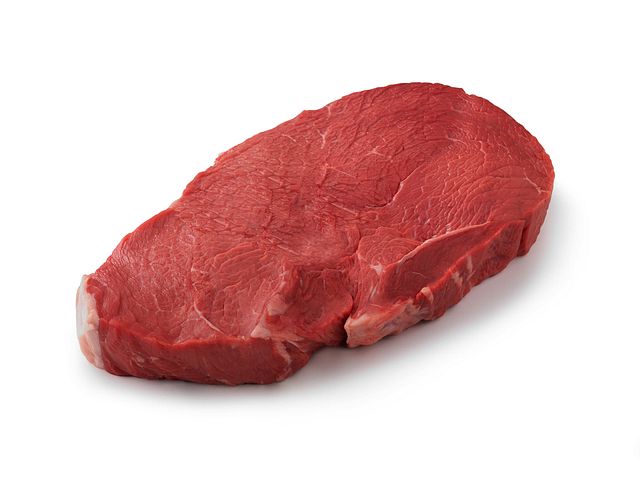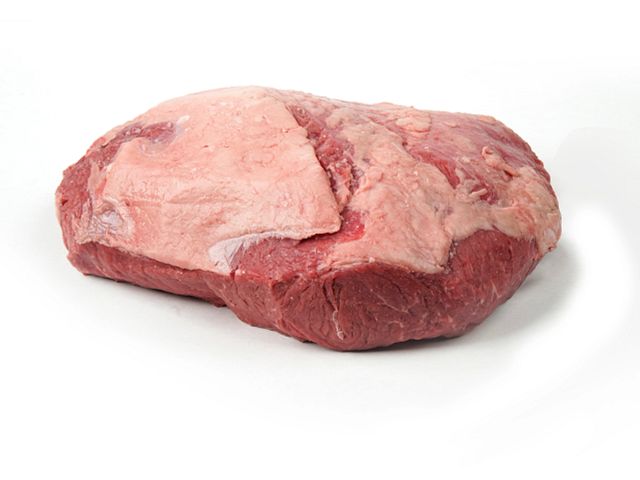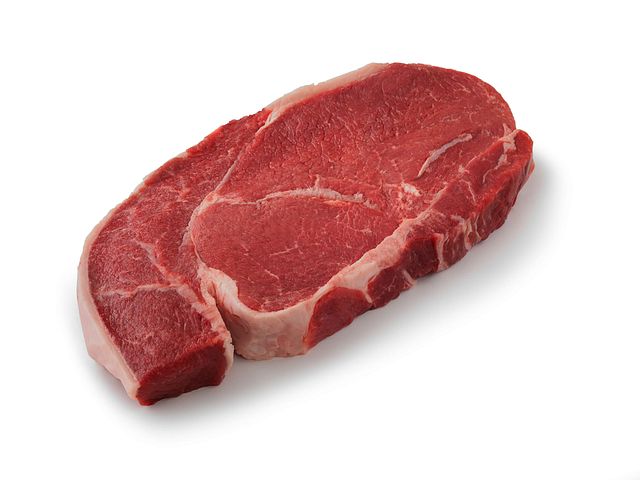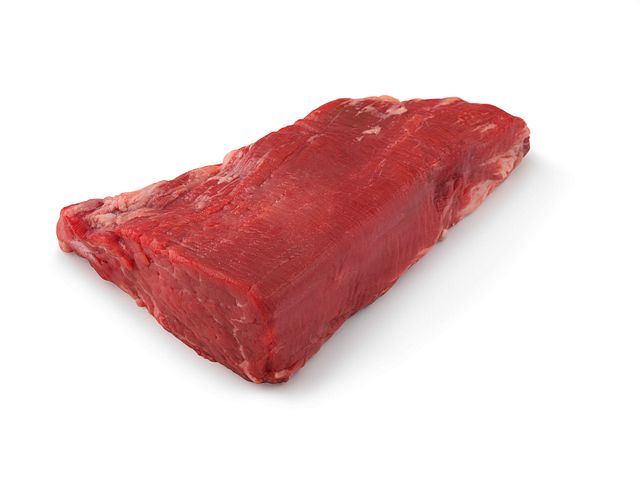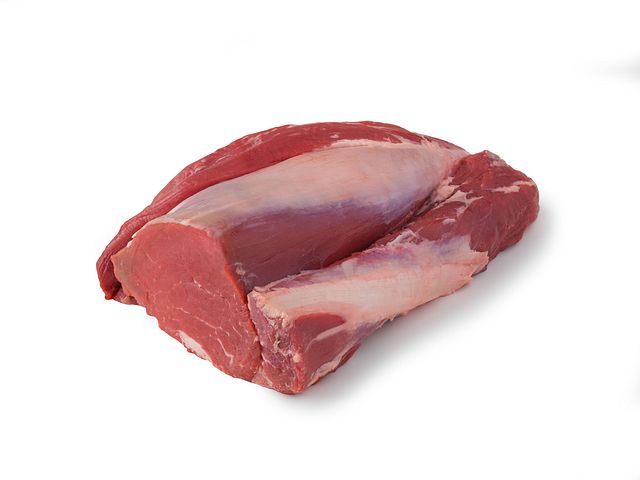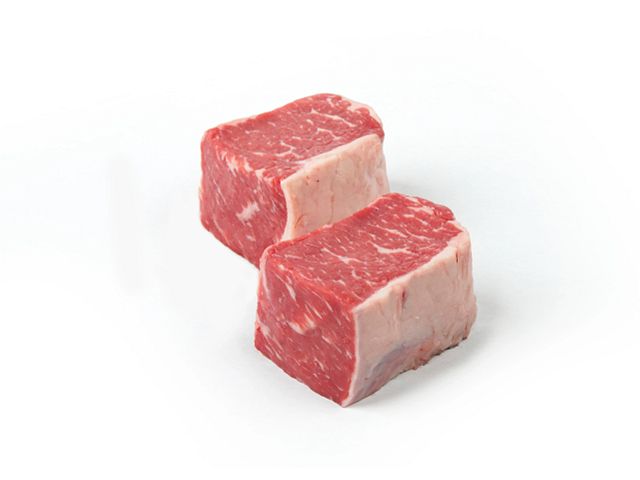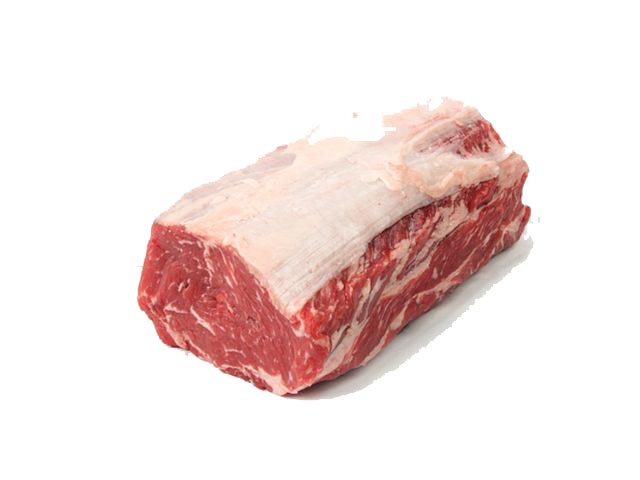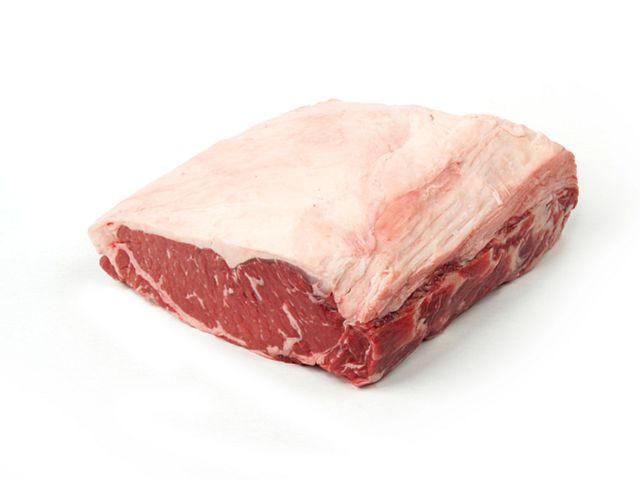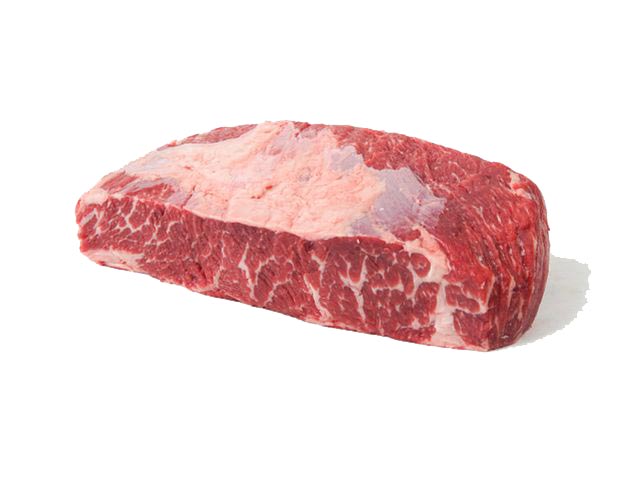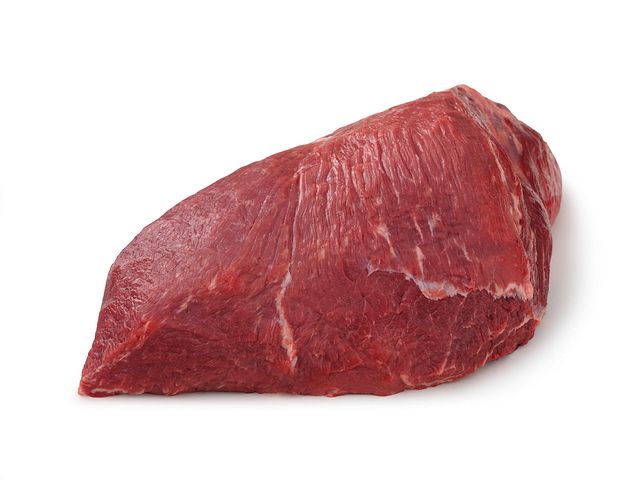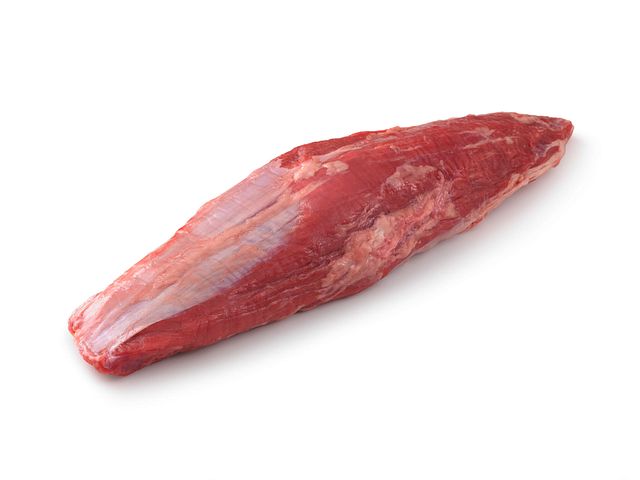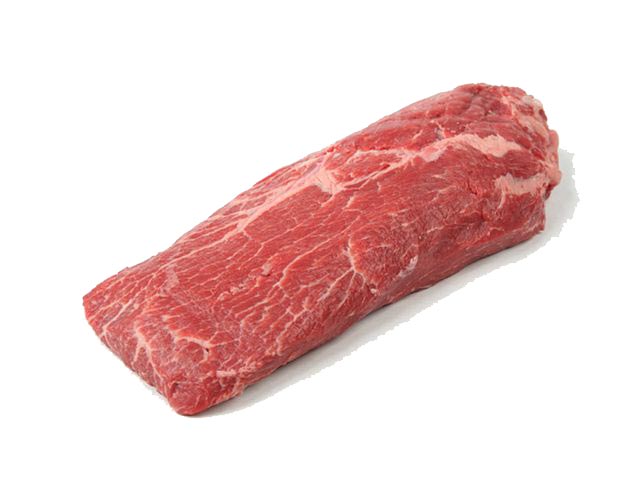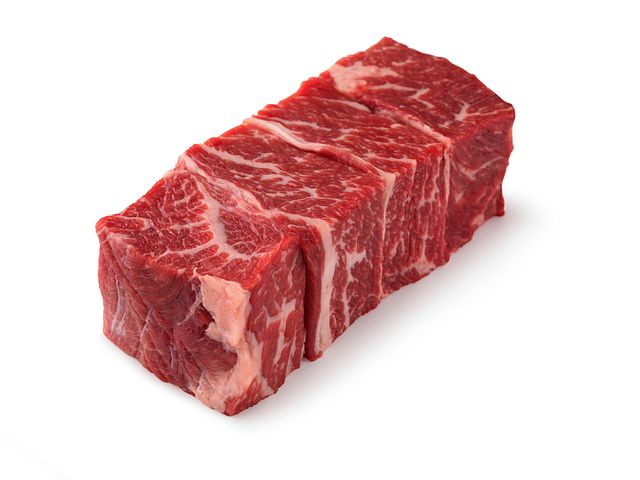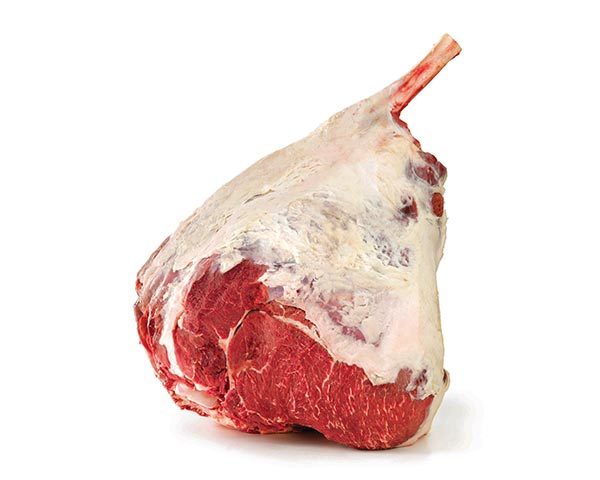
Steamship Round
Also Known As: Baron of Beef; Whole Round
Cooking Methods:
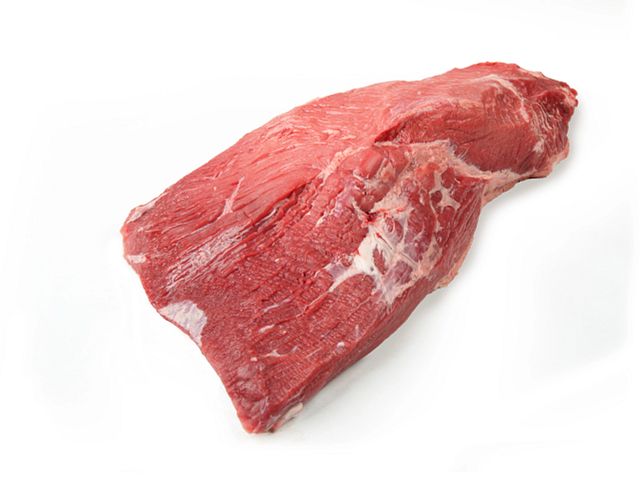
Outside Round (Flat)
Also Known As: Bottom Round (Flat)
Cooking Methods:
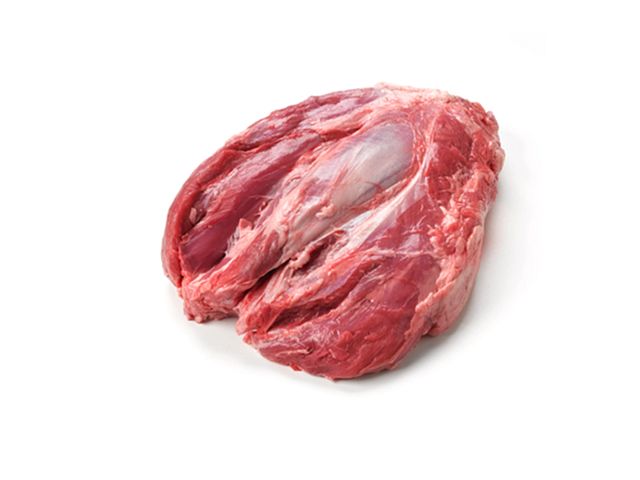
Outside Round, Heel
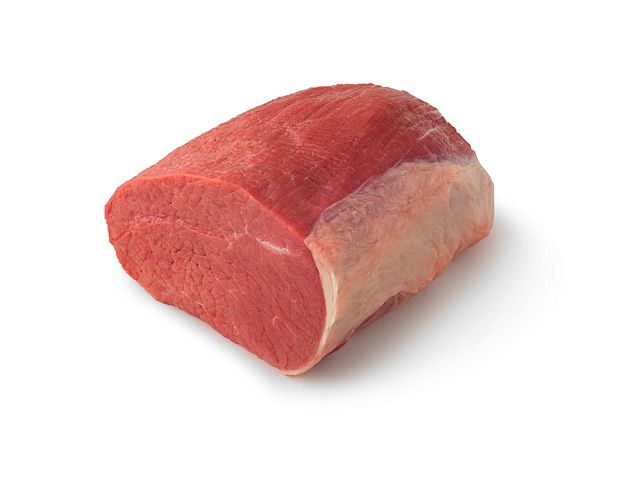
Eye of Round Roast | Lean
Also Known As: Round Eye Pot Roast
Cooking Methods:
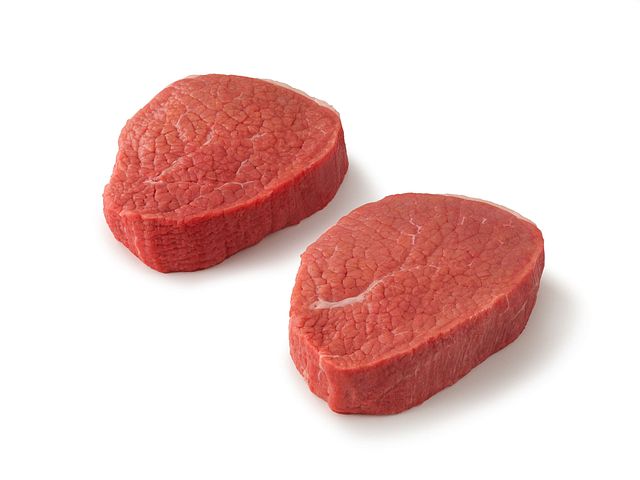
Eye of Round Steak | Lean
Also Known As: Breakfast Steak; Sandwich Steak; Wafer Steak
A tremendous value cut that is lean and boneless. Ideal for marinating then grilling or skillet cooking.
Cooking Methods:
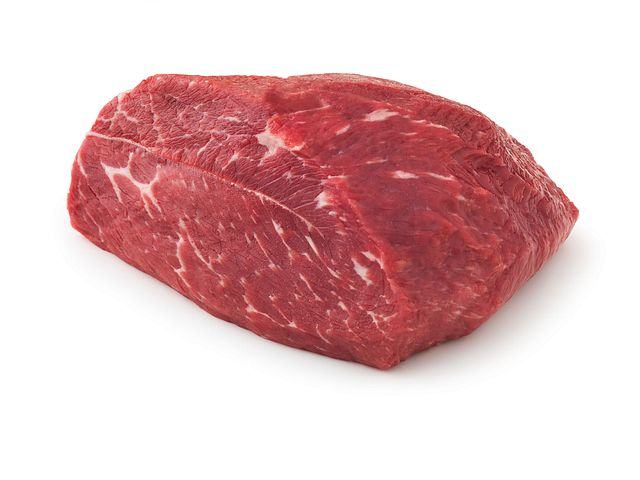
Sirloin Tip Center Roast Lean
Also Known As: Round Tip Roast Cap-Off; Sirloin Tip Roast
Perfect for an easy family meal. Roast this lean cut, then thinly slice and serve.
Cooking Methods:
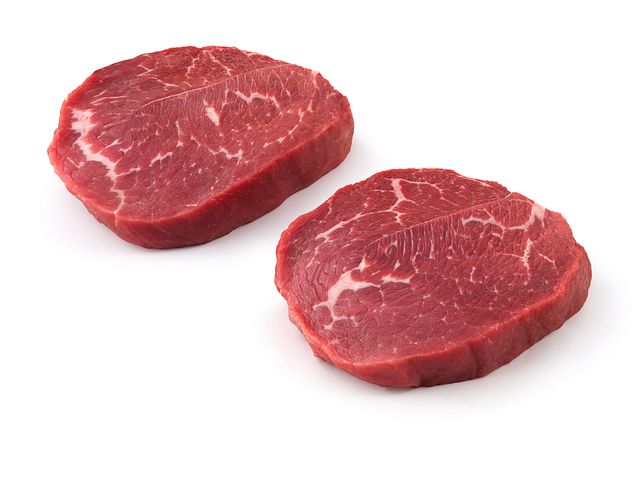
Sirloin Tip Center Steak
Also Known As: Breakfast Steak; Knuckle Steak; Round Tip Center Steak; Sandwich Steak; Tip Steak, Cap-Off; Trimmed Tip Steak
Boneless, lean and a good value for this fairly tender cut. Marinate before grilling for the best experience.
Cooking Methods:
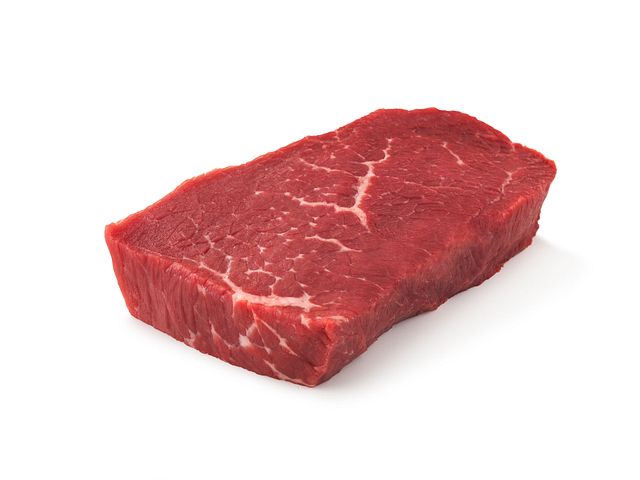
Sirloin Tip Side Steak | Lean
Also Known As: Breakfast Steak; Round Sirloin Tip Side Seak, Boneless
Boneless and lean, this cut is inexpensive and ideal with a tenderizing marinade before grilling.
Cooking Methods:
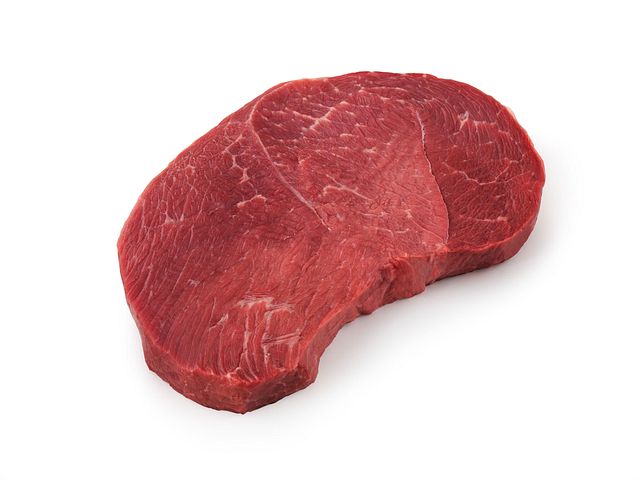
Sirloin Tip Steak
Also Known As: Breakfast Steak; Knuckle Steak; Round Tip Steak; Sandwich Steak; Tip Steak
This boneless, lean cut is great value. Makes good Kabobs, Stew Meat or Cubed Steak.
Cooking Methods:
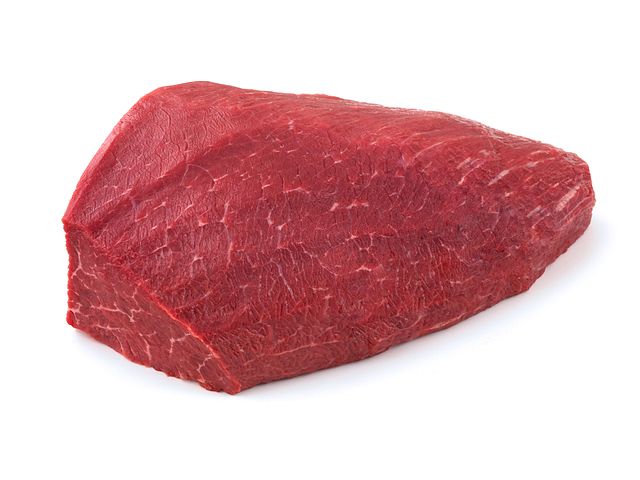
Sirloin Tip Side Roast Lean
This cut is a good value and very lean, making it a great roast choice any night of the week.
Cooking Methods:
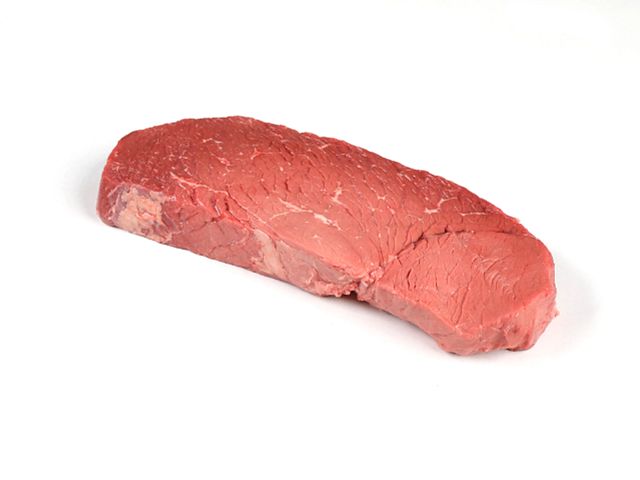
Top Round Roast | Lean
Also Known As: Inside Round Roast; London Broil; Round Roast; Top Round Roast Cap Off; Top Round Roast Cap On
A lean roast that should be slow-cooked to improve its tenderness and then sliced thinly across the grain.
Cooking Methods:
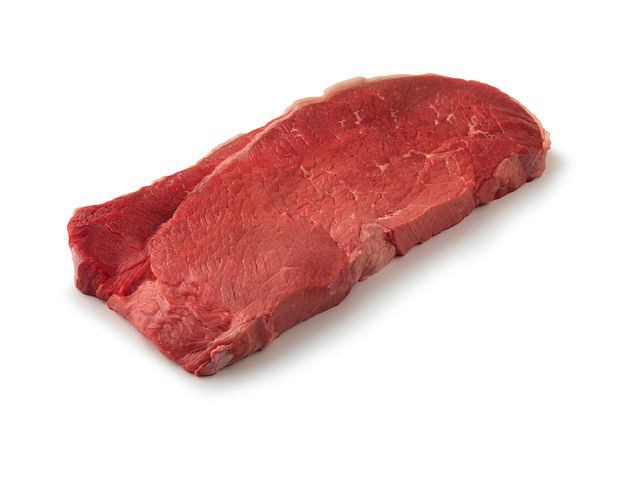
Top Round Steak | Lean
Also Known As: Inside Round Steak; London Broil; Top Round Steak Cap Off; Top Round Steak Cap On
Thick and versatile weekday cut. Typically broiled or slow-cooked to bring out its best.
Cooking Methods:
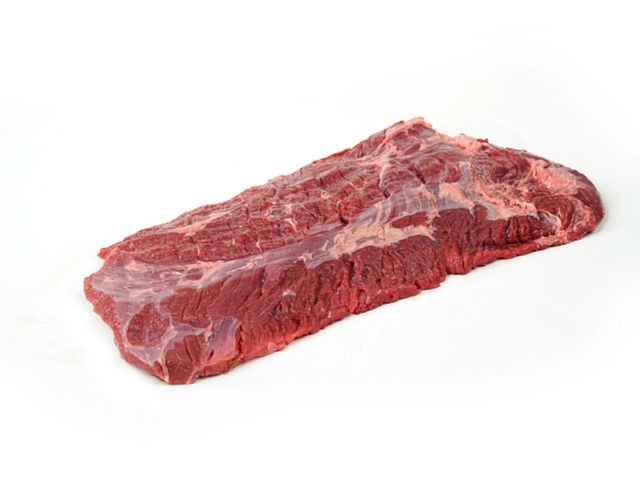
Top (Inside) Round Cap Lean
Also Known As: Inside Round Cap
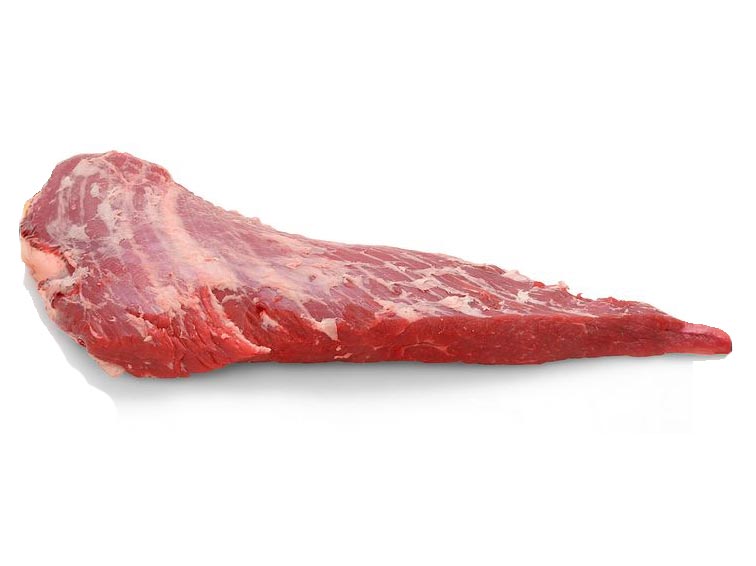
Thin, lean muscle that covers the Top Round. Can be used as an alternative to Skirt or Flank Steaks. Benefits from tenderization.
Cooking Methods:
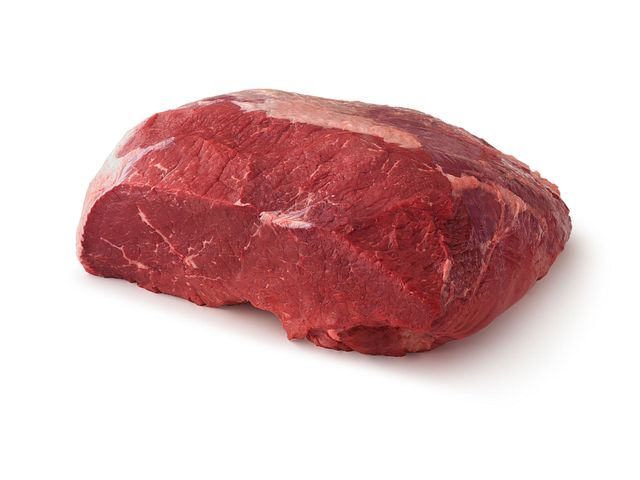
Top (Inside) Round, Cap-Off
Thin, lean muscle that covers the Top Round. Can be used as an alternative to Skirt or Flank Steaks. Benefits from tenderization.
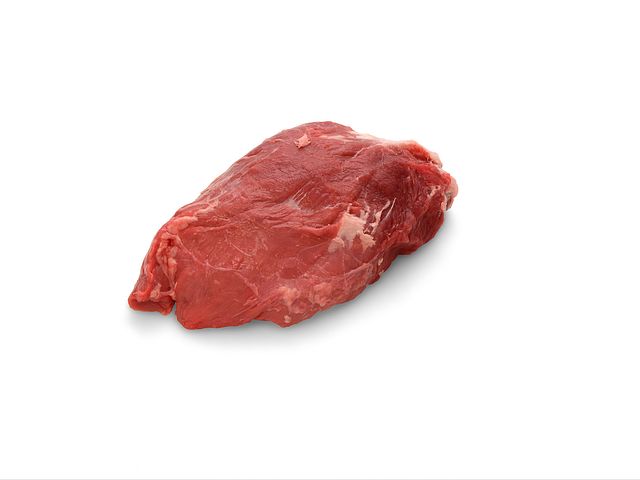
Top (Inside) Round, Front Side Muscle (IM)
Also Known As: Round Petite Tender
Small, lean, fairly tender muscle often removed from the front side of the Top Round.
Cooking Methods:
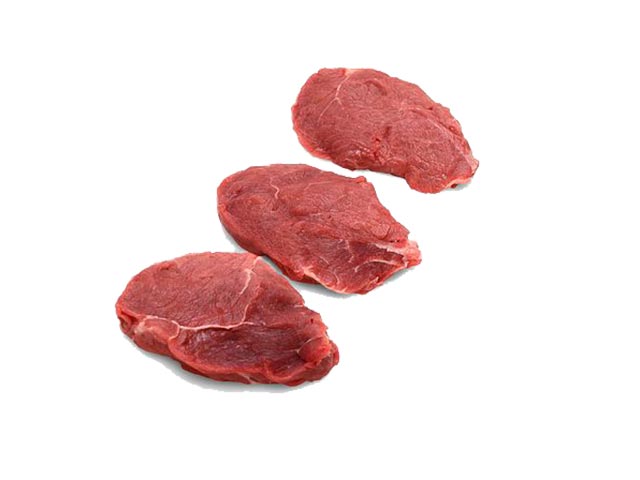
Top (Inside) Round Front Side Steak | Lean
Also Known As: Round Petite Tender Steak
A simple, lean cut for a lighter steak experience. Marinate and grill quickly over high heat.
Cooking Methods:
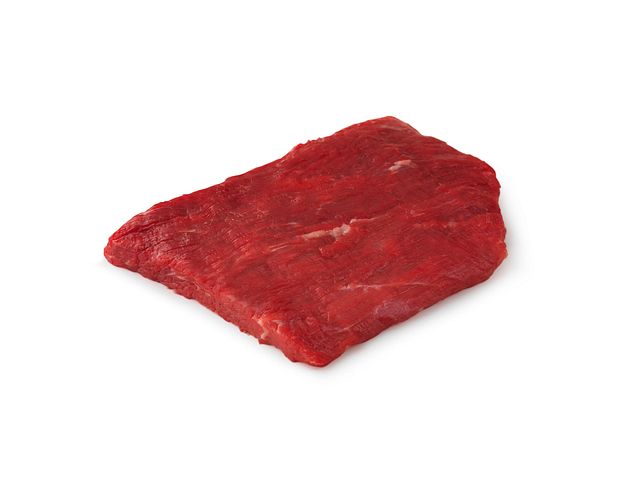
Santa FE Steak
Also Known As: Top Round Cap Steak
Steak cut from the thin, lean muscle that covers the Top Round. Can be used as an alternative to Skirt or Flank Steaks. Benefits from tenderization.
Cooking Methods:
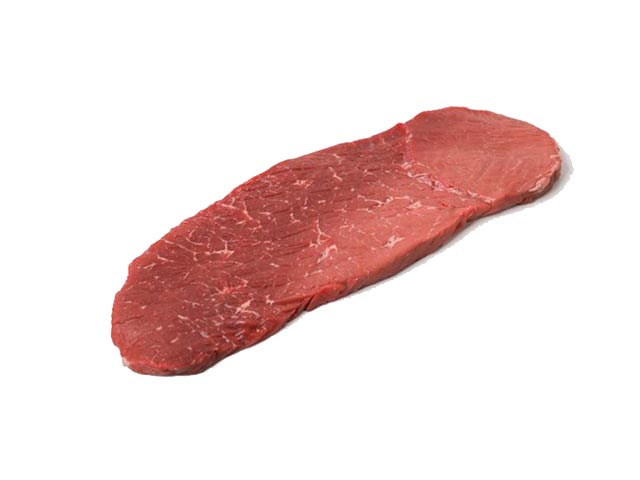
Top Round Steak, Cap Off
Also Known As: Butcher’s Steak; Chuck Shoulder Tender ; Shoulder Tender; Teres major
Juicy and tender, it is shaped like the Tenderloin but is smaller and more affordable. Perfect to grill or broil.
Cooking Methods: