Consumers

We’re so glad you’re here!

This page is your personal guide to enjoying world-class U.S. Beef at home. Whether you're planning a family dinner, hosting a celebration, or just exploring better nutrition, you'll find tips, inspiration, and tools to help you make the most of every cut. From health benefits to how to cook it right, we’ve got everything you need.

Health & Safety

When you choose U.S. Beef, you are selecting a product supported by rigorous standards for quality, safety, and animal care throughout production.

U.S. Beef is produced by farmers and ranchers who follow science-based practices in animal health, nutrition, and handling. A range of cattle breeds and production systems are used to meet market requirements, with a focus on consistent quality and performance.

U.S. Beef is supported by a strong food safety system designed to protect quality at every step. From production through processing, careful controls and regular inspections help ensure the beef you receive is safe, wholesome, and high quality.

The Beef Quality Assurance Program reinforces best practices in animal care, handling, and production, supporting high standards across the supply chain.
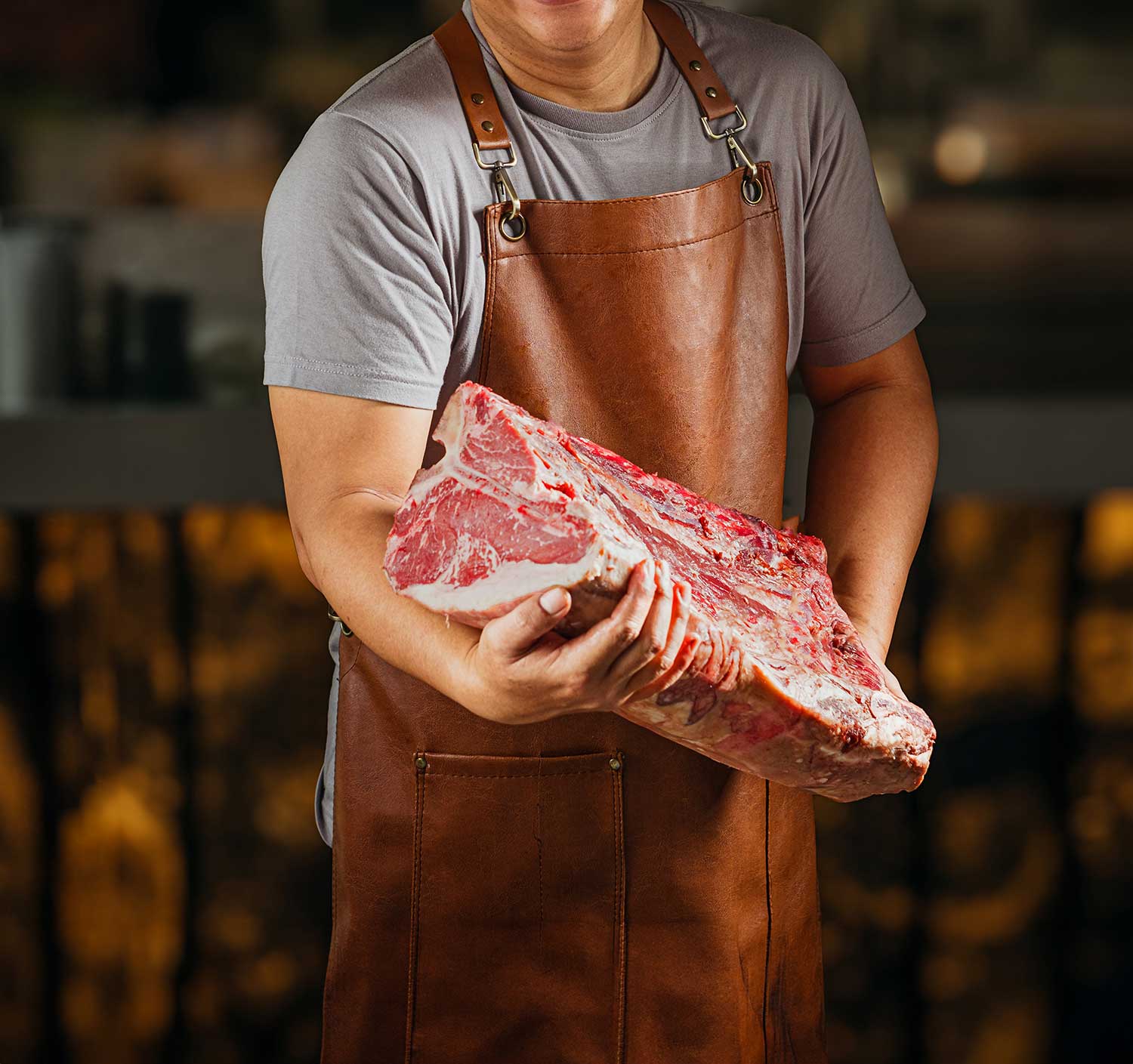
Nutrition: Beautifully Marbled, Naturally Nutritious
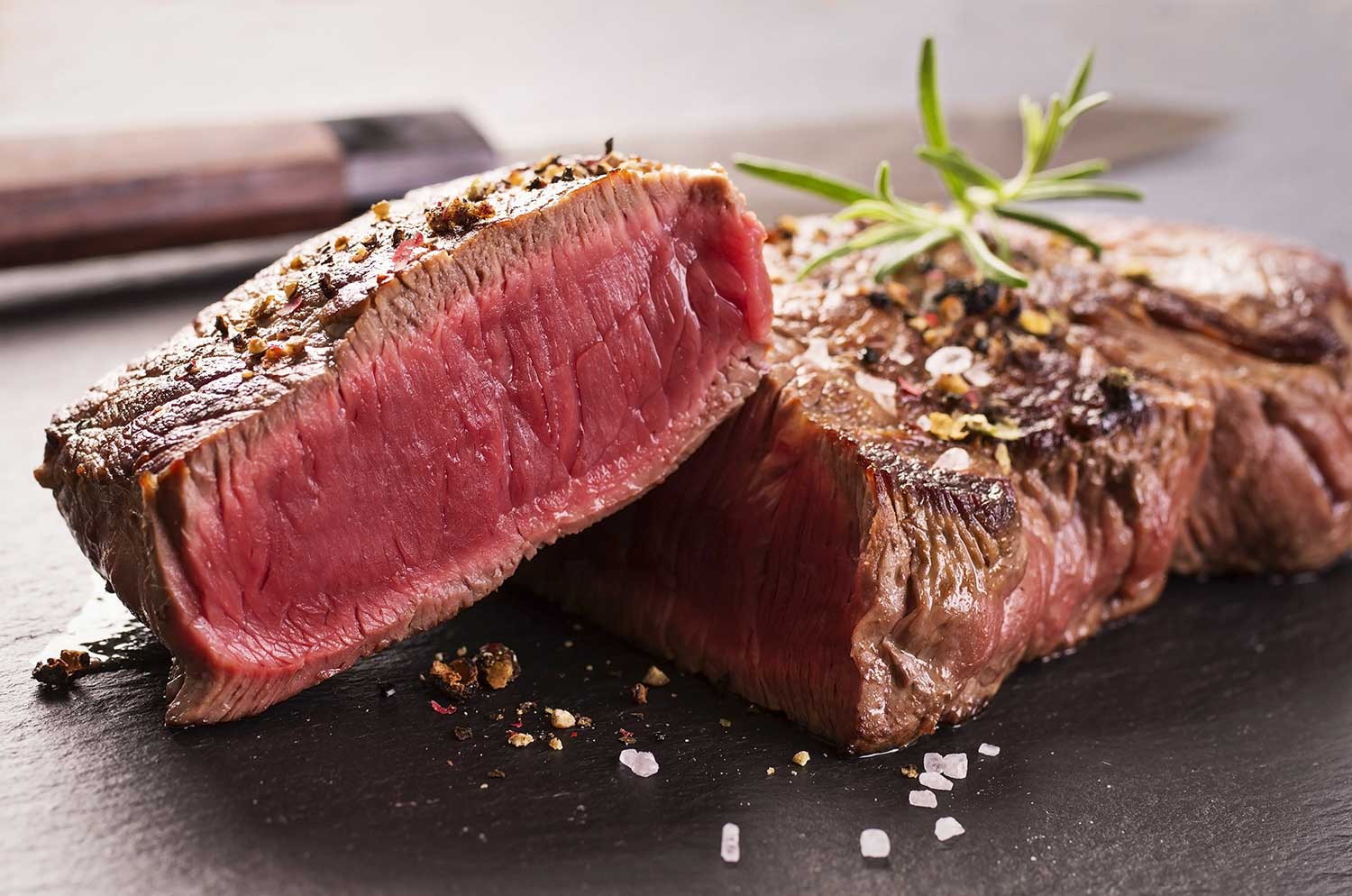
U.S. beef is not only flavorful, but also nutrient-dense and versatile.

Beef provides high-quality, complete protein that supports muscle development, maintenance, and recovery. It is also a rich source of bioavailable nutrients, including iron, zinc, and B vitamins, which play important roles in energy metabolism, immune function, and cognitive health. This combination of protein and essential nutrients makes beef a practical and efficient choice for meeting daily nutritional needs.

A 3 oz (85 g) serving of lean beef provides approximately 25 grams of protein, contributing around 40–50% of daily protein needs. Beef also contains a range of naturally occurring fats, including monounsaturated and polyunsaturated fatty acids, and can be incorporated into balanced diets alongside vegetables, whole grains, and fruits for nutrient-rich meals.

Did you know?

There are more than 29 cuts that meet USDA’s “lean” definition, including sirloin, tenderloin, T-bone, and 95% lean ground beef.

Interactive Beef Cut Guide

Looking for the perfect cut?

Our interactive guide helps you discover the ideal beef cut for your needs. Whether you're grilling steaks or slow-cooking a roast, you'll learn which cuts are best and how to bring out their full flavor.

Interactive Beef Cut Guide

Looking for the perfect cut?

Our interactive guide helps you discover the ideal beef cut for your needs. Whether you're grilling steaks or slow-cooking a roast, you'll learn which cuts are best and how to bring out their full flavor.

Recipes

Delicious Recipes

Sonoma-Style Beef Skewers

Getting back to your routine doesn’t have to be boring! Here’s a delicious and different recipe to take in your lunchbox: Sonoma-Style Beef Skewers.


Lime-Marinated Flank Steak With Stuffed Peppers

A complete and delicious recipe for lime-marinated Flank Steak with stuffed poblano peppers that you’re going to love!

Santa Maria Tri-Tip with Pistachio Pesto

For your first BBQ of the year, try this delicious and original recipe for Santa Maria Tri-Tip with pistachio pesto. The perfect dish to kick off the season with a bang!


Resources

We’ve created an extensive library of downloads, videos and compliance checklists to support your role in the supply chain.

FAQs

How do I know which cut of beef to use?

Choosing the right cut depends on how you plan to cook it and the texture or flavor you’re after. Tender cuts like sirloin, tenderloin, or ribeye are great for grilling or pan-searing. Tougher cuts like chuck roast or brisket shine in slow cooking or braising, where their rich flavor and connective tissues break down beautifully over time.
Use our Interactive Beef Cut Guide to match your cooking method with the perfect cut.

What’s the safest way to store raw beef at home?

To keep beef fresh and safe:

  • Refrigerate raw beef between -2°C and 0°C, ideally on the bottom shelf to prevent cross-contamination.
  • If not using within a few days, freeze at or below 0°C.
  • Keep beef in its original packaging or wrap it tightly if opened.
  • Never thaw at room temperature. Instead, thaw in the refrigerator over 24 hours for best results.

For ground beef, aim to use it within 1–2 days of purchase or freeze it right away.

How can I tell when my steak is done?

The best way to check doneness is with an instant-read meat thermometer:

  • Rare: 120–125°F
  • Medium Rare: 130–135°F
  • Medium: 140–145°F (USDA recommended minimum)
  • Medium Well: 150–155°F
  • Well Done: 160°F+

Let your steak rest for 5–10 minutes after cooking to allow juices to redistribute. Use tongs instead of a fork to avoid piercing and losing moisture.

Is beef healthy to eat regularly?

Yes, lean beef is a nutrient powerhouse. A 3-oz serving provides nearly 50% of your daily protein, plus 10 essential nutrients including iron, zinc, choline, and B vitamins. It supports muscle health, immune function, and energy metabolism.

There are over 29 lean beef cuts, including sirloin, tenderloin, and 95% lean ground beef. When paired with vegetables, grains, and fruits, beef becomes part of a wholesome, balanced diet.

What’s the difference between USDA Prime, Choice, and Select?

These are quality grades based on marbling (the amount of fat within the muscle) and maturity:

  • Prime: Highest grade, abundant marbling, extremely tender and flavorful—often found in high-end restaurants.
  • Choice: Less marbling than Prime but still tender and juicy. Ideal for grilling and everyday meals.
  • Select: Leaner than Choice and Prime, less marbling, slightly firmer texture—best for marinating or slow cooking.

All grades are safe, nutritious, and inspected for quality and wholesomeness.

consumer contact

Our team is here to support you. Whether it’s a quick recipe tip or something more specific, don’t hesitate to reach out.